DEEPEN Diverse Approaches to Deepening Inquiry
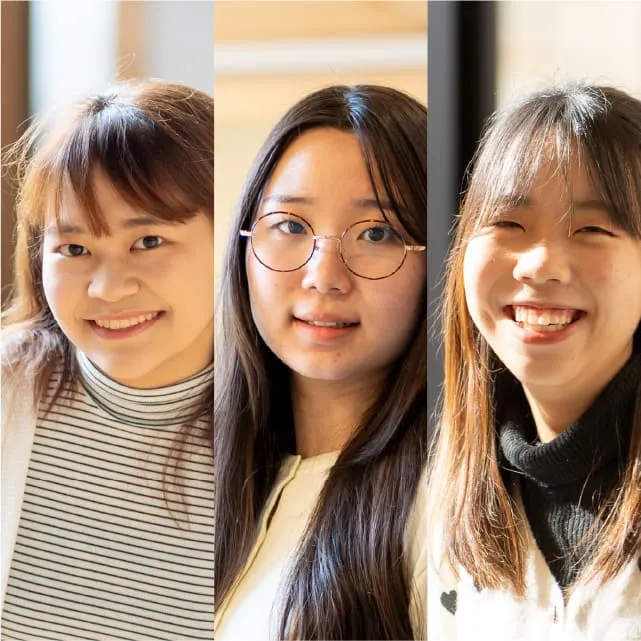
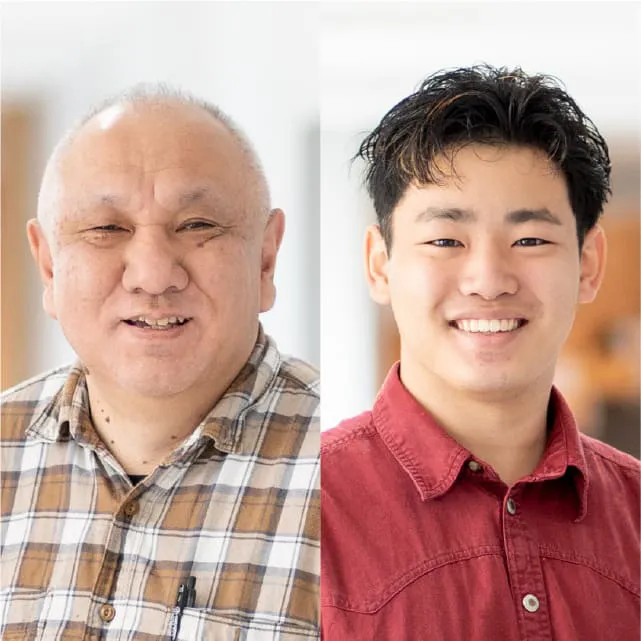
From developing independent learning skills at university, to gaining insights and personal growth in diverse and multicultural environments, broadening perspectives through overseas research, and discovering the excitement of academic seminars, students deepen their inquiry and progress step by step through a variety of approaches.
INTERVIEW.02 Take initiative in your learning and ask questions— Student Success Workshop.
-
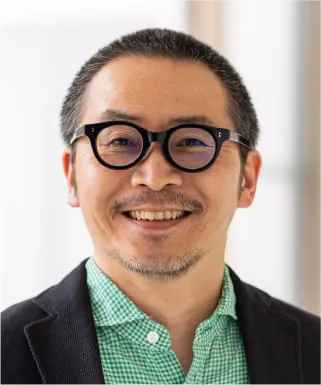
Education Development & Learning Support Center (EDLSC)
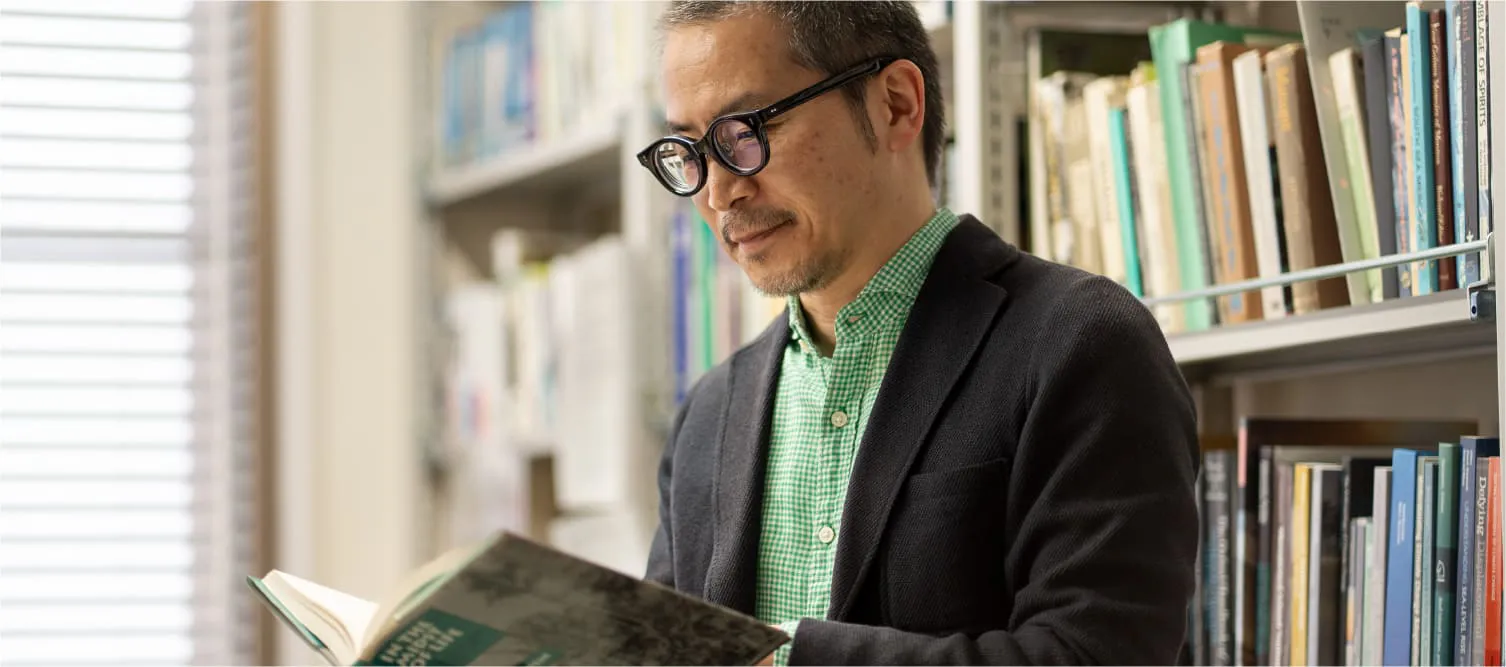
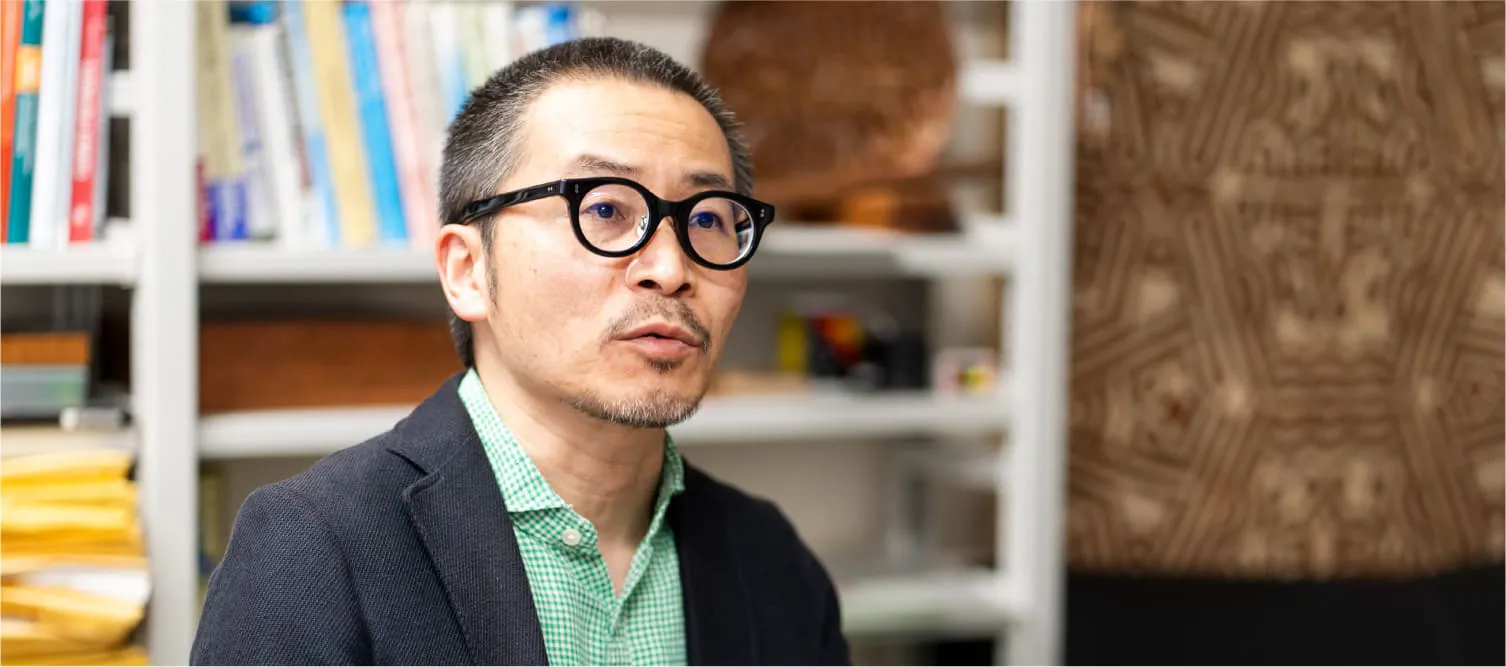
Associate Professor Hirokuni Tateyama
He received his Ph.D. from the University of British Columbia in 2006. His field of specialization is cultural anthropology, with research focusing on globalization and identity in Pacific Island regions, as well as the educational value of cultural anthropology. Since joining APU in 2009, he has been in charge of first-year education across the university.
He received his Ph.D. from the University of British Columbia in 2006. His field of specialization is cultural anthropology, with research focusing on globalization and identity in Pacific Island regions, as well as the educational value of cultural anthropology. Since joining APU in 2009, he has been in charge of first-year education across the university.
Could you tell me about the features of the Student Success Workshop (hereafter referred to as SSW)?
The SSW is a compulsory course that helps first-year students learn how to study at university. Unlike high school, university is a place where students are expected to take initiative in their learning and ask questions—that is, to engage in academic inquiry. Therefore, being able to learn proactively and think critically can be considered “student success.” The purpose of this course is to support first-year students in developing the skills and attitudes necessary to achieve success as university students.
What kind of course content does it specifically include?
The course is designed to be highly participatory, and it does not follow a lecture style where knowledge is delivered one-way. Rather than reviewing and learning what has been taught, students are expected to prepare in advance for the next class. Specifically, students watch videos on how to write reports and read texts on “how to design learning.” Based on these preparatory materials, class time is then devoted to group discussions, activities, and presentations.
Does the way of learning change as the course progresses?
By discussing the same preparatory materials while bringing together each person’s information and perspectives, students are able to gain better approaches and new insights. In the first half of the semester, each group selects a theme and gathers information. In the latter half, students focus individually on a specific theme that has been refined through group work and write their own reports. In the end, they compile their work into a report of about 2,000 words, give a presentation, and receive feedback.
How are report topics decided?
The theme cannot be just anything; students are required to formulate questions that have social significance and relevance. However, since first-year students still have limited skills and may find this challenging, we suggest options such as choosing from the 17 Sustainable Development Goals (SDGs). From there, students narrow down their focus and develop a research question, and how they expand on their chosen topic is left to their own initiative. There is a tendency for students of this generation to choose themes such as gender equality, but each student approaches and develops their topic in their own unique way.
Are there any particular things you focus on or make efforts to incorporate in the SSW classes?
Since SSW is a compulsory course for first-year students, there is a wide range of learners with varying levels of motivation. With this in mind, we believe it is essential to design the classes using a universal approach that can accommodate all students. By creating visually clear teaching materials and allowing students to write reports on topics that interest them, we find that once students become engaged, they begin to change and often show noticeable growth. Some students have also been able to overcome their reluctance toward group work through repeated experience in SSW. Gaining experience while facing and working through challenges is extremely important.
What is your impression of APU students?
In such a diverse student body, I feel that the environment is one where students can naturally develop initiative. Many students are not confined by conventional boundaries, and it gives the impression that people gather here to challenge themselves in various ways while inspiring one another. Of course, there are also students who are not particularly proactive. However, there is absolutely no need for them to lose confidence by thinking, “I’m not doing anything.” Through classes, clubs, and interactions with international students, I believe they are gradually influenced in positive ways through a wide range of experiences.
What makes learning at APU enjoyable?
APU’s greatest strength is its diversity, which is rare even on a global scale. Its first-year education is conducted across faculties, which is uncommon at most universities. All incoming students are divided into classes and take courses together with students from different faculties, regions, and nationalities, allowing for rich and diverse interactions. SSW, which can be considered a signature program of APU, is one example of this. It is not only about learning how to study at university; by working together to complete the many assignments, students share their experiences and build friendships that can last for a long time. Being part of such a diverse environment at a young age is an incredibly valuable learning opportunity, so it would be a shame not to make the most of it.