

What is September enrollment? Six months of freedom that broaden your future ─ Choosing September enrollment
While universities in Japan typically start in April, APU offers a system that allows you to enroll in September. Instead of going straight on to higher education right after graduating from high school, this program lets you take advantage of a six‑month “gap year” and gives you a framework to take on what you really want to do, such as gaining overseas experience, volunteering, earning qualifications, or working part‑time. The courage “not to rush” will expand your possibilities.
STUDENT INTERVIEW
「Choosing a different path from others makes me stronger.」
- Why I chose September enrollment❸ -
-
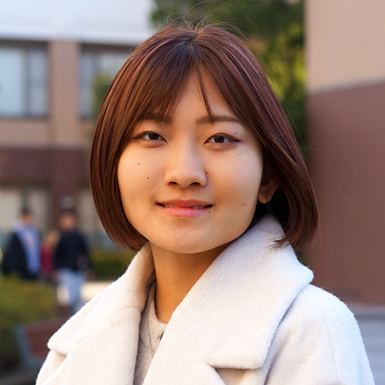
September 2025 Enrollment, College of Asia Pacific Studies
Mitsuki Furusawa
Entrance Exam Type: Admissions for Returnee Students
Profile: From Osaka Prefecture. In public junior high school, she was a student who excelled in all five main subjects. She entered a private high school, and while many students aimed for national and public universities, she chose APU’s September enrollment. During a family trip to Hawaii in junior high school, she experienced communicating in English firsthand and developed an interest in the language. She devoted a lot of effort to learning outside of school and also participated in volunteer activities.
During your high school years, did you consider enrolling in September?
My high school was a private, college-preparatory school, and I felt out of place with its study-focused approach—classes up through seventh period every day, Saturday classes as well, and a curriculum that finished Math IIA in the first semester of the first year. I never thought about September enrollment at all. I took it for granted that everyone started in April, and there was no one around me who chose to start in September. However, since high school life didn’t really suit me, I began to put more effort into activities outside of school and learned that making new choices can create opportunities for growth.
How did you first learn about APU?
I first learned about APU through YouTube channels related to English learning (Daijiro-san and StudyIn Native English Conversation). In the spring of my senior year of high school, my cram school teacher also told me about it, and that got me interested. At first, it wasn’t so much a serious candidate for where I wanted to go to university; it was more like, “Oh, there are also universities with this kind of international focus.” As I chatted with overseas friends on HelloTalk, I came to enjoy cultural exchange, and ever since high school I’d been thinking about studying something in an international field.
What was the deciding factor in choosing APU?
I was really attracted by the international environment, especially the large number of international students from overseas. Being able to take classes in English and the fact that it offers media studies. And when I actually visited the campus in the summer of my third year of high school, I got the impression that it was lively and open-minded, and I thought, “This is the only place for me,” so I made APU the only university I applied to.

Why did you choose to enroll in September?
I also learned about the option of September enrollment through a YouTube video that was shared on a website for APU applicants, and I decided to take a gap year between my graduation in March and enrollment in September to make it “a year of challenges.” Another reason is that I heard that 70% of international students enroll in September, and I thought it would make it easier to make friends from diverse backgrounds. During my gap year, I worked backward to figure out “what I should be doing now.”
How did you spend your gap year?
I spent it being extremely active.
• Extracurricular activities: I took part as a leader in policy proposal activities and joined hackathons, where I used programming to tackle social issues.
• Part-time jobs: At the Osaka Expo and a Shinto shrine, I explained things to overseas visitors in English, and at Universal Studios Japan I guided guests for the Mario Kart attraction. I did this partly to cover my living expenses, but it also gave me real-world experience using English.
• Overseas programs: I took part in peace studies in Palau, volunteered at a festival in Hawaii, and stayed at a friend’s home in China.
• Qualifications: I passed the Eiken Pre-1st Grade in the summer of my third year of high school, and after that I continued attending an English cram school and obtained an IELTS score of 5.5.
"If there’s something I want to do, I decide for myself, apply, and take on the challenge"—over the past six months, I’ve developed that ability.
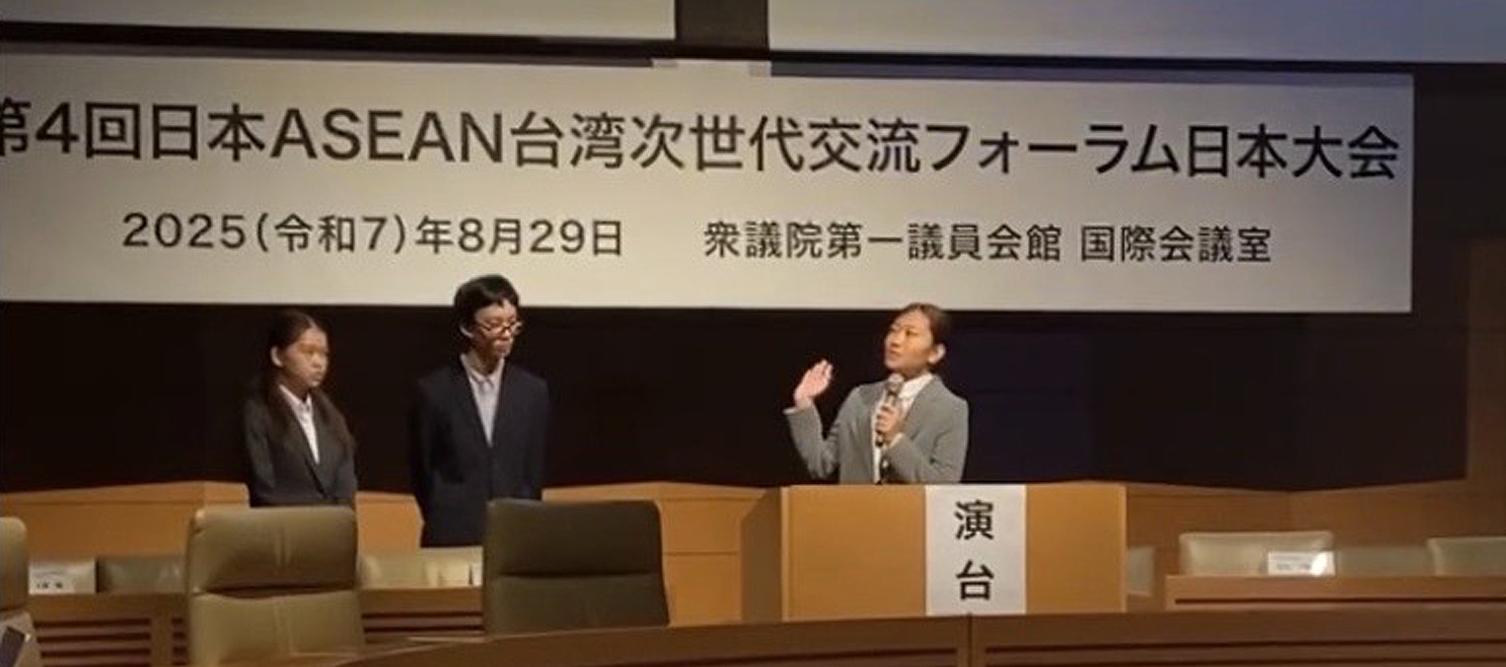

What did you gain from that experience?
From my experience at an English camp in Malaysia, where I communicated with participants from Chinese-speaking regions using gestures and writing, I learned that it is possible to understand one another even without a common language. From my experience of serving as a leader in several activities, I also learned not only to take on responsibility alone, but also the importance of trusting and relying on the abilities of my team members. As a result, I believe my values have broadened and I have become more proactive. These are things I would not have been able to challenge myself to do without taking a gap year, and I don’t think I would have gained such insights otherwise.
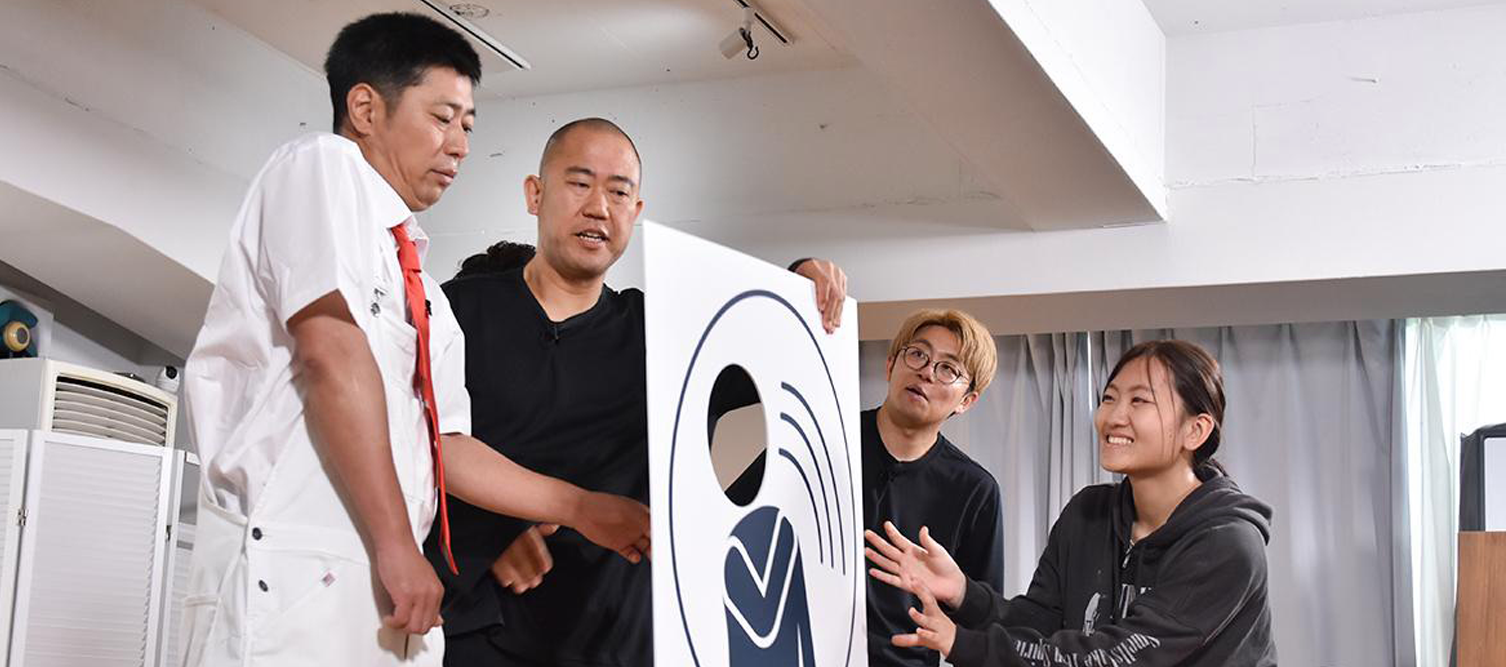
After enrolling at APU, have you been involved in any activities?
I actively participate in exchanges with international students. Besides that, I try to take on anything that interests me. In my first semester, I took courses in international relations, media studies, and programming, which I had been interested in since high school. As for languages, from the second semester I’m planning to take Advanced English and Thai.
For extracurricular activities, I joined three groups. The first is a student organization called Sunny, which hosts events where local children and APU’s international students can interact with each other. I belong to that public relations department, where I am in charge of managing the Instagram account and coding the official website. Secondly, I volunteer with an organization whose goal is to “create a world where the word ‘refugee’ is no longer needed.’” It is an organization that holds refugee photo exhibitions in commercial facilities and art museums. Our aim is for many people to learn about the current state of the world and to raise their awareness of peace. Thirdly, I am part of a club called JETS Zone, where members study English and Japanese together. Through a wide variety of events whose materials and content change every week, students in the Japanese-basis program study English, and students in the English-basis program study Japanese, teaching each other as they go.
There are many interesting organizations at APU, so if you are considering enrolling, I really hope you will look for ones that match your interests.
What are your goals for the future?
After enrolling, I made many international student friends, and my English skills and quick thinking have improved. I also want to take on the challenge of an exchange program. Right now, my student life is just as I imagined it. Before enrolling, I had experiences such as overseas activities, challenges in hackathons, part-time jobs, and the influence of media, all of which I feel have broadened my perspective, so I would like to make even better use of this multicultural environment and challenge myself more than ever. First, I want to deepen my studies in media at APU, and in the future, I hope to be involved in program production and planning. I want to share the content I create with as many people as possible.

 Other reasons for choosing September enrollment